
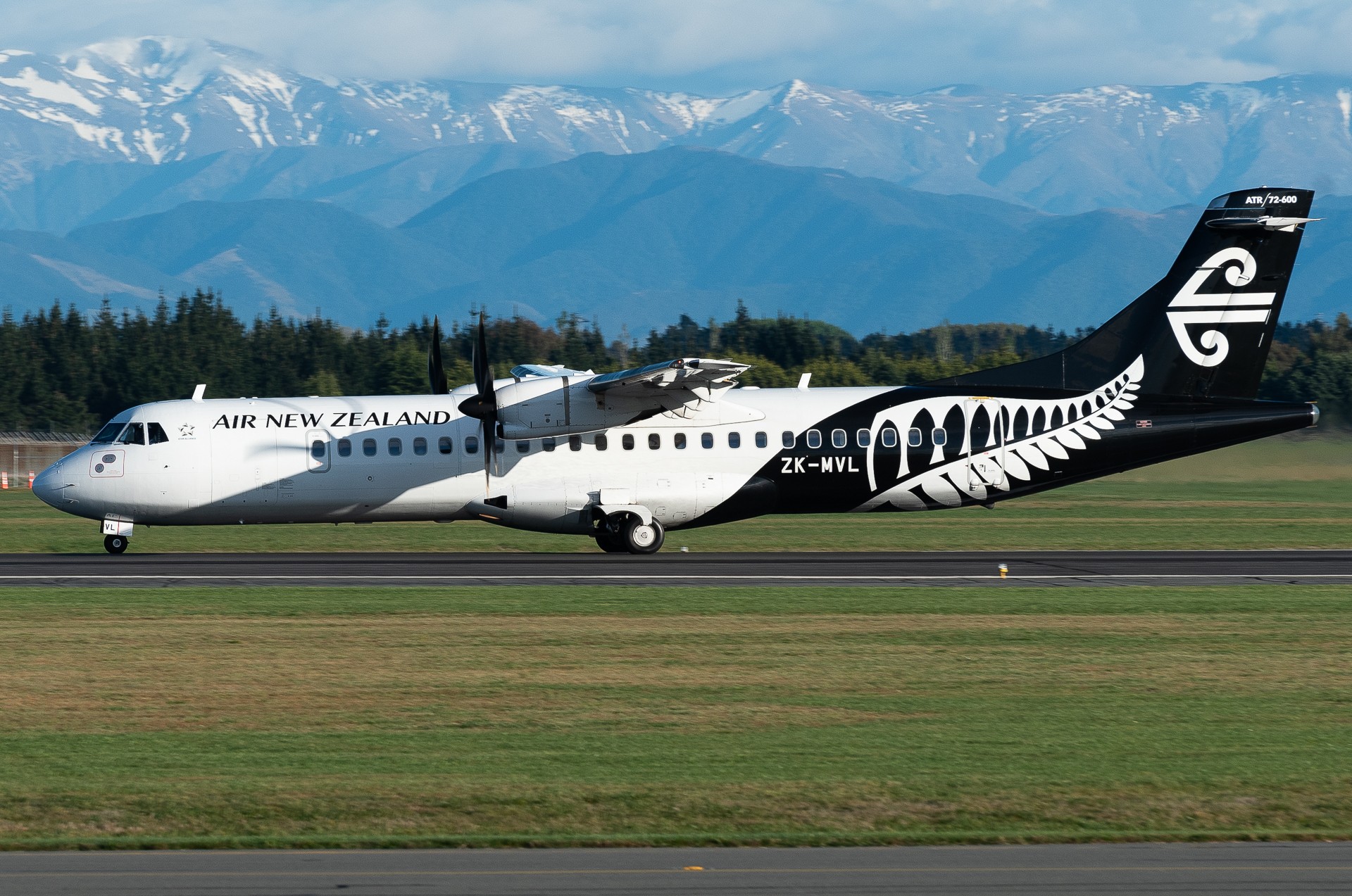
The Transport Accident Investigation Commission (TAIC) has published its final report into an engine fire and evacuation involving an Air New Zealand ATR72-600 on approach to Wellington on 1 September 2024.
The aircraft was flying from Christchurch to Wellington with four crew and 70 passengers on board when its left engine caught fire shortly before landing. The aircraft was landed safely, stopped on the runway and the flight crew discharged fire suppressant. Fire warnings remained illuminated, so the captain ordered an evacuation. The evacuation took longer than the certification benchmark, and some passengers received minor injuries while leaving the aircraft.
TAIC Chief Investigator of Accidents Louise Cook says the report highlights the importance of clear evacuation procedures, well-practised crew commands and effective passenger safety briefings.
“An evacuation is not simply about getting off the aircraft. It needs to be done quickly, correctly and safely, which is why clear crew procedures and commands, and passengers following instructions, matter,” said Ms Cook.
Several factors contributed to the evacuation taking longer than the certification benchmark, and the Commission has recommended that Air New Zealand identify how to improve passenger briefings, safety cards, and crew training for evacuations.
Ms Cook says the Commission welcomes Air New Zealand’s stated initiatives to develop a cabin emergency evacuation trainer, strengthen training on use of the ATR’s rear service door, update passenger briefing material and align cabin crew evacuation commands.
“This is all good news because effective evacuation depends on crew being able to respond consistently under pressure, and passengers paying attention to safety briefings and following crew instructions when told to evacuate – including leaving bags behind.”
The Commission’s report shows the cause of the engine issue was the failure of a fatigued low-pressure turbine blade. This allowed oil into the engine, causing smoke and flames that triggered the fire warning. The engine had been overhauled shortly before the incident, but the fatigue cracking was missed during quality assurance. A second blade from the same engine also showed fatigue.
“This was a rare but serious technical failure. It shows why maintenance assurance processes need to be strong enough to detect signs of fatigue before components return to service,” said Ms Cook.
The Commission has recommended that engine manufacturer Pratt & Whitney Canada strengthen its overhaul quality assurance procedures so they can identify pre-existing fatigue and support the continued airworthiness of the engine.