
What happened
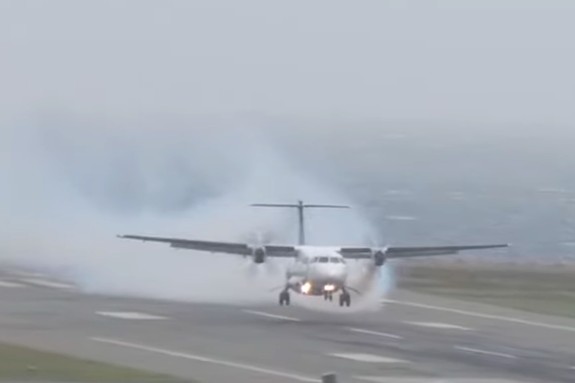
On 1 September 2024, ATR72-600 ZK-MVL was flying from Christchurch to Wellington with four crew and 70 passengers on board. On approach to land at Wellington the left engine caught fire, prompting a mayday. The crew landed the aeroplane safely, stopping on the runway, and then discharged fire suppressant into the engine area.
While the fire was extinguished, the fire warning remained illuminated and so the captain ordered an evacuation.
The passengers were evacuated with some minor injuries, and damage was limited to the left engine. However, there is the clear need for passengers to pay attention to safety briefings, and understand the need to leave bags behind if told to evacuate, and follow crew instructions including once they have exited the plane.
Why it happened
Due to the lack of adherence to the passenger safety messages and clear crew instructions there was confusion in the evacuation leading to it taking longer than the benchmark
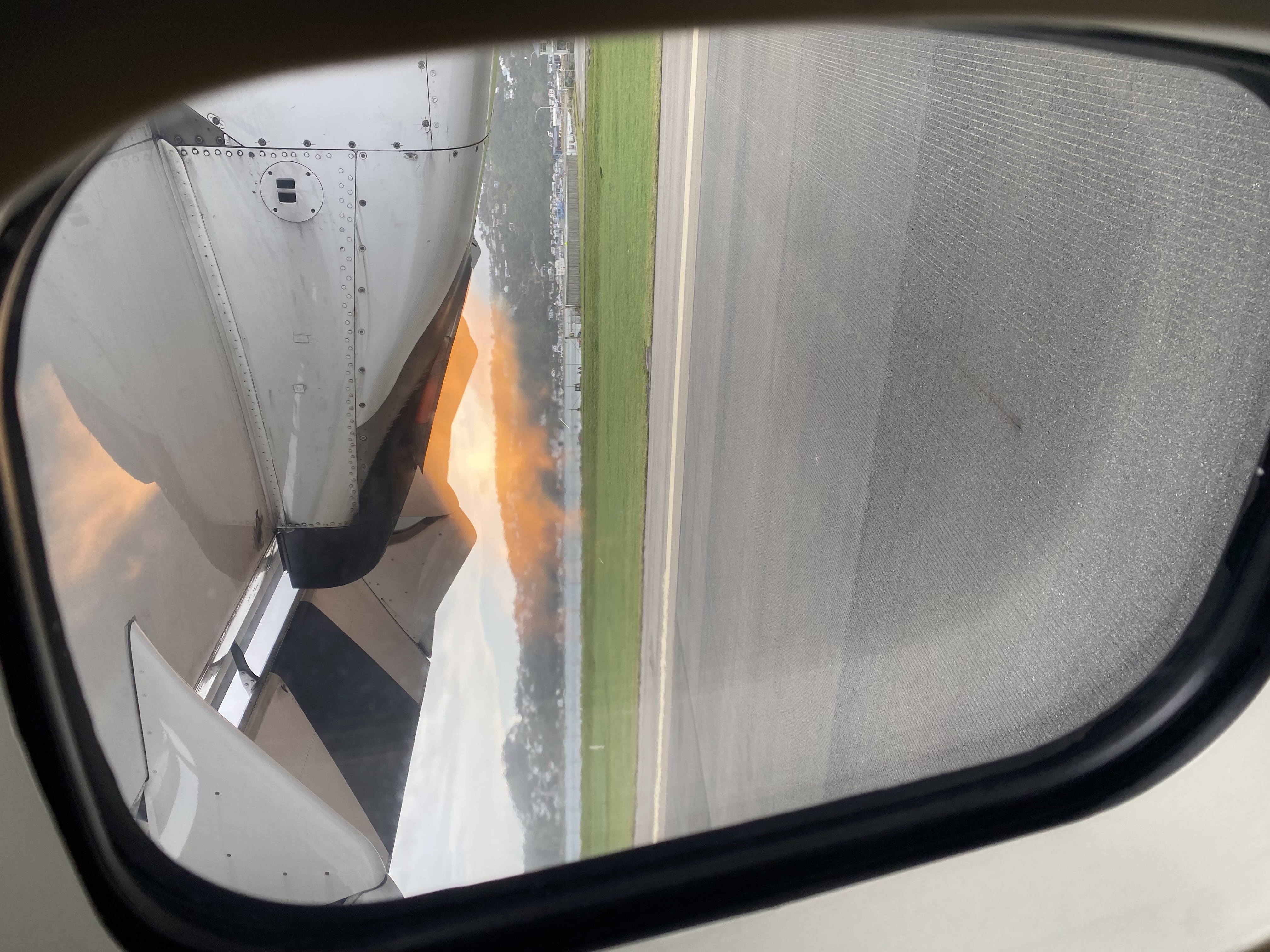
An engine low-pressure turbine blade failed. This caused a vibration and failure of internal air seals, which allowed oil to flow directly into the engine. The failure resulted from fatigue cracking in the blade. This was not picked up during an overhaul of the engine carried out the previous day by the engine manufacturer Pratt & Whitney.
Safety issues and recommendations
1) Engine airworthiness: A low-pressure turbine blade failed because of fatigue. The engine manufacturer’s quality assurance procedures during the recent engine overhaul did not identify the issue, increasing the risk of other similarly faulty turbine blades re-entering service.
- The Commission recommends that engine manufacturer Pratt & Whitney Canada take action to address this. (Recommendation 026/26)
2) Passenger evacuation: The evacuation took 2 minutes and 51 seconds. Evacuations that take longer than the certification benchmark of 90 seconds can increase the risk to life.
- The Commission welcomes Air New Zealand’s ongoing work to develop a cabin emergency evacuation trainer, strengthen training and passenger communication on ATR evacuation exits. Work to fully address the safety issue is not yet fully implemented, so the Commission has made a recommendation to address it. (Recommendation 027/26)
3) Passenger management post-evacuation: After exiting the forward-left exit, several passengers walked near the left engine that had been on fire. Evacuating passengers must be given clear instructions on what to do once outside the aeroplane to reduce the risk of injury from hazards on the ground such as propellers, fire and wreckage. Also the evacuation took significantly longer than the certification benchmark, reinforcing the need for clear and well-practised procedure and a simple message for passengers:
- The Commission welcomes work under way by Air New Zealand to update passenger briefing material and align cabin crew evacuation commands
- Work to fully address the safety issue is not yet fully implemented, so the Commission has made a recommendation to address it. (Recommendation 027/26)
[NB: to be clear, Recommendation 027/26 is to address Safety Issues 2 and 3]