
In the years before the event, Air New Zealand went through major change: the 2019 merger of its regional carriers, then Covid-19. That should have raised its risk profile and triggered closer scrutiny from the Civil Aviation Authority. Instead, the Commission found, the CAA's oversight didn't move with it.
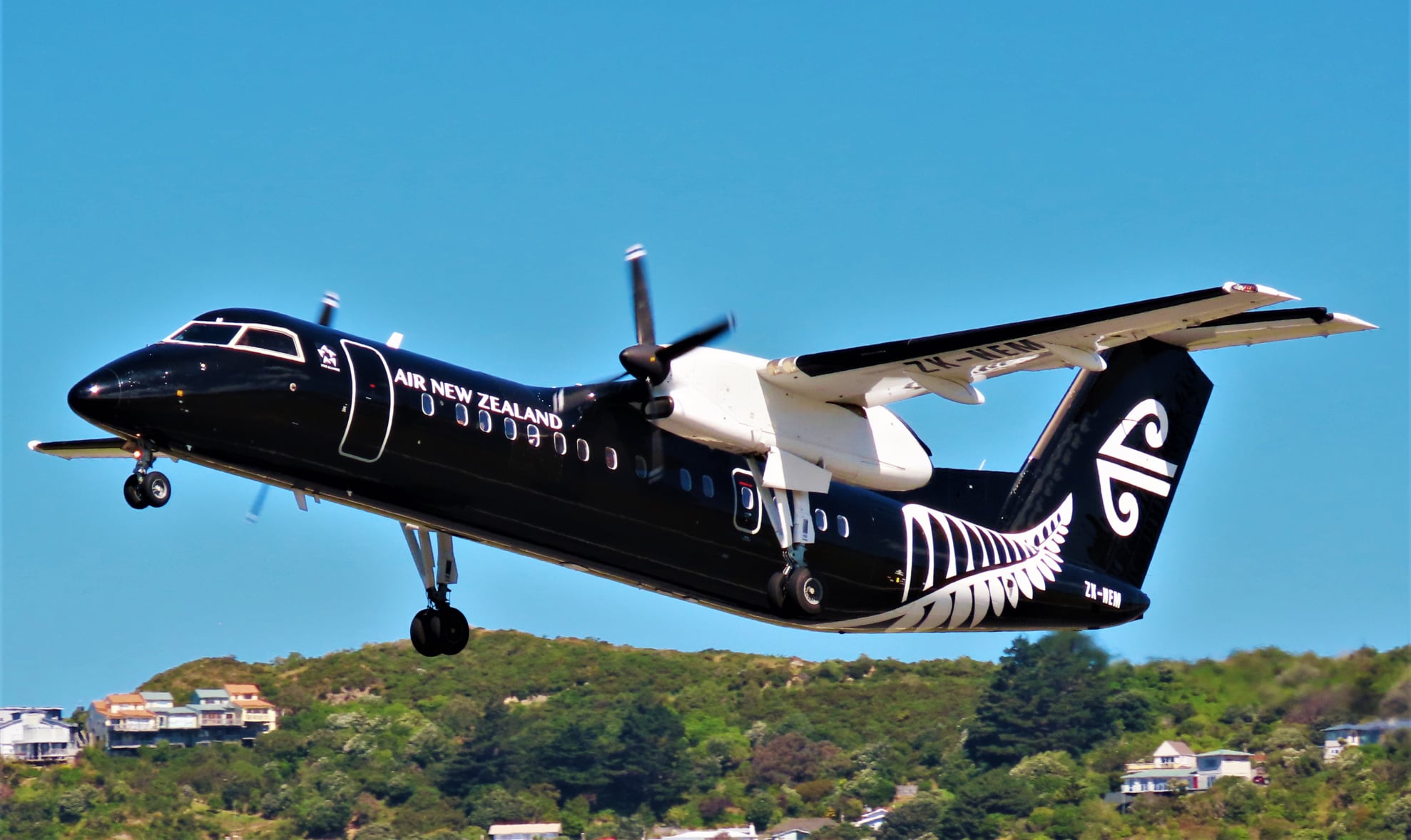
The aircraft, carrying 33 passengers and three crew, deviated around 2500 ft below its programmed flight path before the captain corrected course and landed safely.
The TAIC report shows that the crew had switched the aircraft's descent mode during a routine altimeter check process and did not remember to switch it back.
Chief Investigator of Accidents Louise Cook says the error went unnoticed because both pilots' fixation on visually identifying the runway lights made their instrument monitoring less reliable.
"This event points to issues beyond that particular cockpit, because this wasn't just about one crew having a bad night. The Commission found the same mode-selection error had occurred on this operator's Q300 fleet more than once, and the way the aircraft's systems were set up meant pilots had to rely on remembering to reverse a manual step partway through descent. That's not a strong enough safeguard for something this important."
The Commission's investigation into why this was happening landed on the 2019 integration of the Air Nelson and Mount Cook regional airlines into Air New Zealand, training and experience levels on the Q300 fleet, and the Civil Aviation Authority's regulatory work.
“The CAA's oversight of Air New Zealand through that period wasn't commensurate with the scale of change the airline had gone through, and the closeness of the relationship between the two likely made it harder for the regulator to oversee the airline impartially.”
"Air New Zealand and the CAA have taken on board the Commission's findings and made important changes to training, procedures, safety culture work, and how the CAA structures its oversight. We're satisfied those actions address seven of the nine safety issues we identified, so we haven't needed to recommend further action there."
Two issues remain open. The Commission has recommended Air New Zealand continue working with aircraft manufacturer De Havilland Canada on a technical fix so pilots no longer need the manual workaround that contributed to this event. It has also recommended the CAA push, through the International Civil Aviation Organization, for longer cockpit voice recorder capability, so investigators are less likely to lose critical evidence in future incidents.