
TAIC identifies component defect linked to Airbus A320 engine shutdowns
The Transport Accident Investigation Commission (TAIC) has identified a component defect that can cause an engine to shut down in flight on Airbus A320 aircraft.
In an interim factual report published today, TAIC describes an uncommanded shutdown of one engine on an Airbus A320 Neo that was en route from Wellington to Sydney on 1 December 2024. The captain of the Air New Zealand flight declared mayday and diverted safely to Auckland. No injuries or damage occurred.
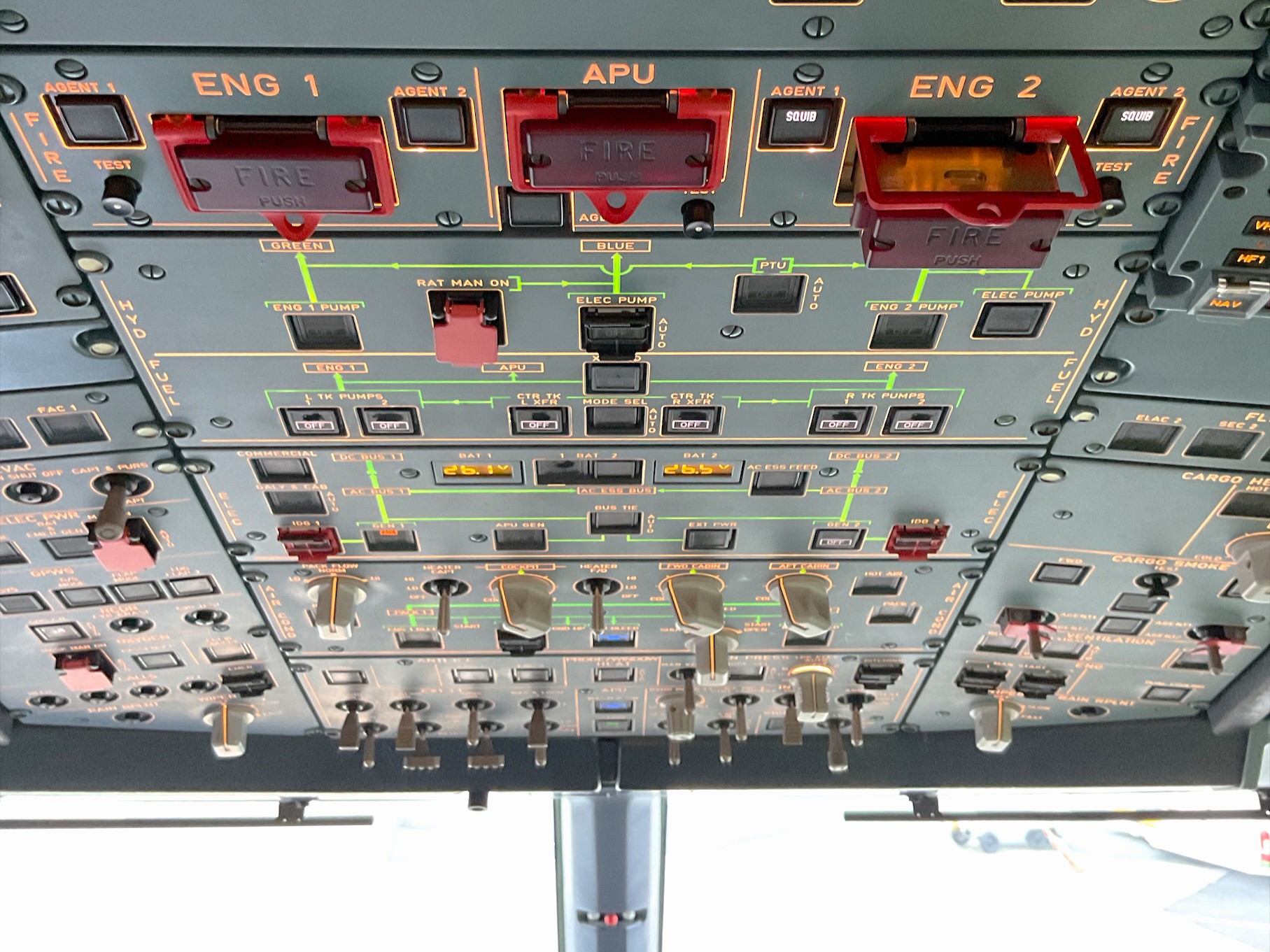
Chief Investigator of Accidents Louise Cook says the cause of the shutdown was self-activation of a switch that stops the engine and gets engine fire extinguishers readied for discharge.
"The switch is part of a panel above and behind the heads of the pilot and co-pilot; neither had touched the switch, and post-shutdown procedures didn't tell them to check it," said Ms Cook.
The fire panel had been damaged as a result of mishandling by suppliers and resulted in bending of a retaining pin inside the pushbutton switch, reducing the retention security of the switch in its latched position.
“The full extent of the safety issue remains undetermined; our investigations so far in this ongoing inquiry have shown the same type of fire panel is fitted to all Airbus A320-family aircraft worldwide and larger Airbus types use similar switches.
Switch manufacturer Safran Electronics & Defense issued service information and bulletins in September and October 2024 listing affected components and recommending inspections. Airbus alerted operators on 18 December 2024 and has since issued inspection bulletins covering all A320 aircraft.
Air New Zealand removed switch panels promptly in early December 2024 after TAIC told them about the problem.
In July 2025, TAIC made a preliminary recommendation that the Civil Aviation Authority of New Zealand notify and work with EASA on identification and replacement of defective switches.
An Airworthiness Directive (effective 6 November 2025) from European Union Aviation Safety Agency (EASA) now requires inspections worldwide.
The Commission's inquiry remains open. TAIC will issue a final report once its investigation is complete. TAIC investigates selected transport accidents and incidents with the aim of improving future safety. It does not attribute blame or liability.